
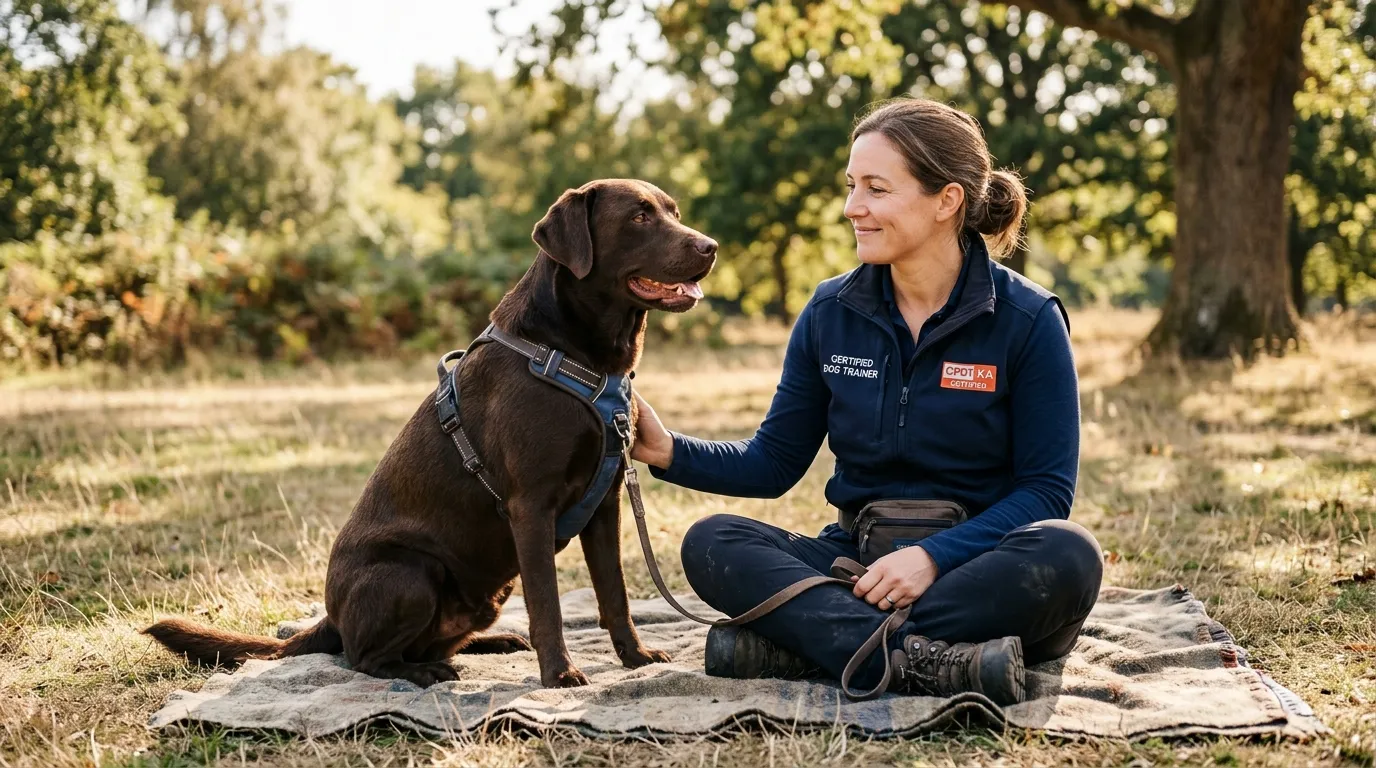
Dog Trainers for Resource Guarding: 5 Rules to Choose the Best Specialist
When your canine companion begins growling over a food bowl or snapping when you approach their favorite toy, the home dynamic shifts from peaceful to tense. Possession aggression is a common behavioral issue, but addressing it requires specialized expertise. Working with certified dog trainers for resource guarding is the most reliable way to restore safety and harmony to your household.
When selecting dog trainers for resource guarding, look for practitioners who prioritize safety, positive reinforcement, and clear communication. Trying to punish a guarding dog often escalates the behavior and can lead to dangerous bite incidents. To find the right expert, you need to understand how professional behavior modification works.
Table of Contents
- Understanding the Need for Dog Trainers for Resource Guarding
- Rule 1: Verify Professional Canine Behaviorist Credentials
- Rule 2: Focus on Positive Reinforcement Dog Training
- How Professional Dog Trainers for Resource Guarding Assess the Dog
- Rule 4: Compare Training Methods and Programs
- Rule 5: Implement In-Home Management and Safety Audits
Understanding the Need for Dog Trainers for Resource Guarding
To resolve possession issues, you must recognize the underlying anxiety that drives dog resource guarding behavior. Dogs guard items because they fear losing them, which is a natural survival instinct. Consequently, qualified dog trainers for resource guarding will always conduct a comprehensive history intake to understand when the behavior started and what items are targeted.
According to veterinary behavior studies, over seventy percent of dog trainers report seeing resource guarding behaviors in their client dogs Source: Association of Professional Dog Trainers]. If left unaddressed, guarding can escalate to severe bites. Unresolved aggression from resource guarding can unfortunately lead to complicated [homeowners insurance claims if a bite occurs on your property. For basic details on canine possession aggression concepts, you can consult research databases [Source: Wikipedia].
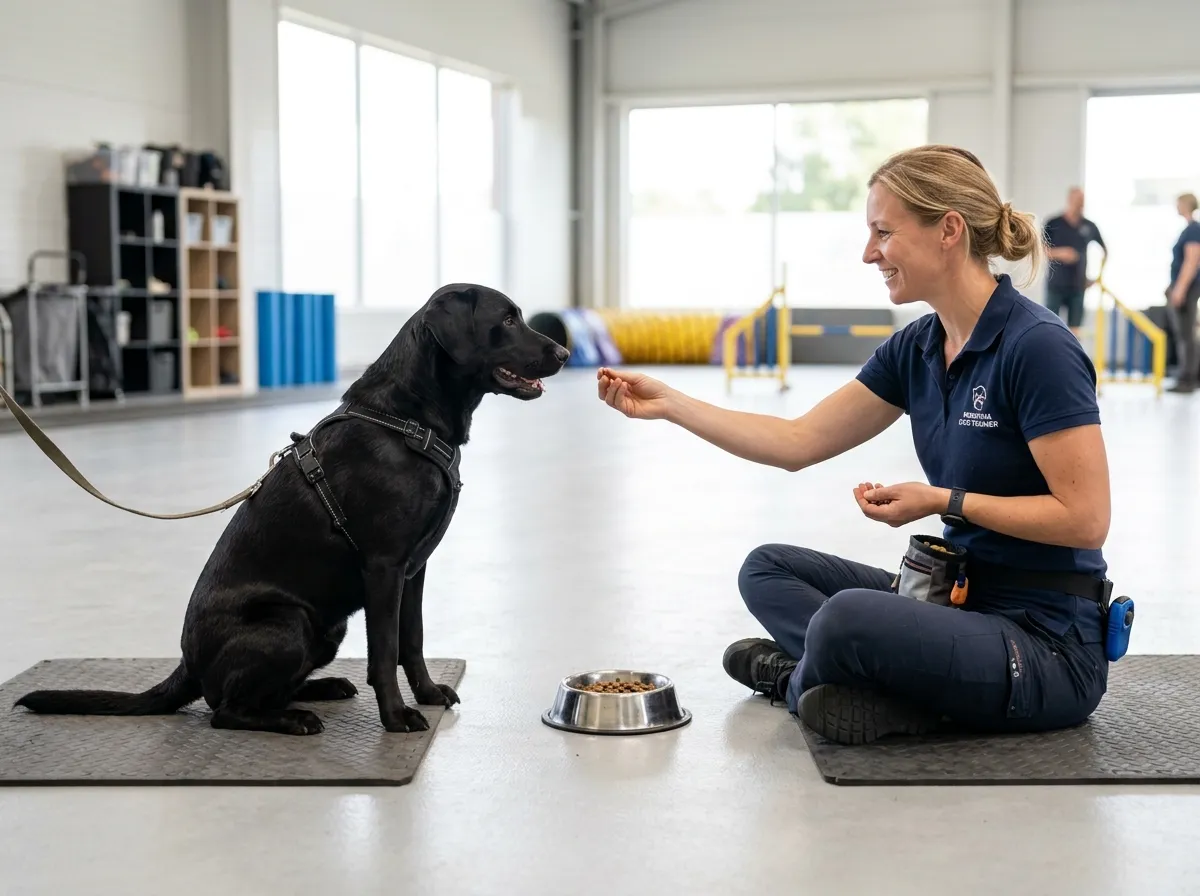
Rule 1: Verify Professional Canine Behaviorist Credentials
Evaluating dog trainers for resource guarding requires analyzing their professional certifications. The dog training industry is unregulated, which means anyone can call themselves a behavior specialist. Working with specialized dog trainers for resource guarding ensures you receive advice grounded in scientific learning theory.
Look for credentials from independent organizations:
Certified Behavior Consultant Canine (CBCC-KA)
This certification indicates the trainer has advanced skills in dog behavior modification, including managing fear-based aggression and guarding.
International Association of Animal Behavior Consultants (CDBC)
A Certified Dog Behavior Consultant is a specialist who has met rigorous peer-reviewed standards for clinical behavior modification.
Board-Certified Veterinary Behaviorists (DACVB)
These are licensed veterinarians who have completed residency training in animal behavior and can prescribe medication if needed.
Rule 2: Focus on Positive Reinforcement Dog Training
The training philosophy of the professional you hire will determine the success of the rehabilitation. Positive reinforcement dog training focuses on changing the dog’s emotional state rather than suppressing the outward behavior. If a trainer suggests using a shock collar or alpha rolls to prevent food aggression in dogs, you should walk away.
Punishment teaches the dog that your approach means bad things happen, which increases their anxiety and makes the guarding worse. In contrast, positive methods teach the dog that your presence near their item predicts a higher-value reward. This systematic counter-conditioning builds a cooperative relationship based on trust.
How Professional Dog Trainers for Resource Guarding Assess the Dog
Top-tier dog trainers for resource guarding start with a safety audit and behavioral evaluation. They observe the dog’s body language from a safe distance to identify subtle warning signs like freezing, staring, or lip-licking. Additionally, dog trainers for resource guarding focus on building confidence through structured trade games before working directly with highly valued items.
A typical assessment includes:
Safe Distance Assessment
Identifying the exact trigger distance where the dog starts showing tension or freeze behaviors.
Value Hierarchy Mapping
Mapping out the value hierarchy of items (food, toys, spaces, people) so training starts with lower-value triggers.
Owner Safety Protocols
Evaluating the owner’s ability to read canine body language and establishing safe management protocols.
Rule 4: Compare Training Methods and Programs
When you compare different dog trainers for resource guarding, check how they structure their training packages. The table below outlines the differences between professional behavior modification and standard obedience training.
| Training Element | Behavior Modification for Guarding | Standard Obedience Training |
|---|---|---|
| :— | :— | :— |
| Primary Goal | Change the emotional response to an approaching person. | Teach specific physical positions like sit, down, and stay. |
| Methods Used | Desensitization and counter-conditioning. | Operant conditioning and command testing. |
| Location | Safe, controlled environments, usually starting at home. | Group classes or public parks with high distractions. |
| Success Metric | Dog remains relaxed and loose when items are handled. | Dog performs the command immediately when asked. |
For initial website setup and onboarding guides, you can look at the general greeting structure [Source: Hello World Post].
Rule 5: Implement In-Home Management and Safety Audits
In my experience working with aggressive behaviors, the most important part of training happens when the trainer is not there. Management is key to keeping everyone safe. If you keep high-value items off the floor and feed your dog in a separate room, you prevent the dog from practicing the guarding behavior, which allows their stress levels to drop.
Myth vs. Fact
- Myth: Resource guarding is a sign of dominance and the dog wants to be boss.
- Fact: Resource guarding is driven by fear and anxiety of losing a valued item.
- Myth: You should take the dog’s food bowl away while they eat to prevent aggression.
- Fact: Taking the bowl away actually teaches the dog that you are a threat to their food.
- Myth: A dog who guards will always be dangerous.
- Fact: With consistent management and positive training, most dogs can be safely rehabilitated.
FAQ Section
What credentials should I look for in dog trainers for resource guarding?
Look for trainers certified by the IAABC or CCPDT. These organizations require members to pass rigorous examinations, log hundreds of training hours, and adhere to a strict code of ethics based on science-based methods.
How long does it take to modify resource guarding behavior?
Behavior modification is a gradual process. While you can establish safety protocols immediately, changing the dog’s emotional response to food or toys typically takes three to six months of consistent daily training.
Should I punish my dog for growling when guarding?
No. Growling is a warning sign. If you punish the growl, you remove the warning, which can cause the dog to bite without warning next time. Instead, respect the growl and step back.
Can resource guarding be fully cured?
While you can significantly reduce the frequency and intensity of the behavior, resource guarding is a natural instinct. It is more accurate to view it as a behavior that is managed and modified rather than cured.
Summary and Next Steps
Addressing possession aggression requires patience, safety, and scientific methods. By choosing a qualified specialist, focusing on positive reinforcement, and implementing strict management, you can build a safe environment for your family and pet. Take action today by contacting a certified canine behavior consultant to evaluate your dog’s needs [Source: Association of Professional Dog Trainers].
One Comment